
 Analysis by Gamescozy
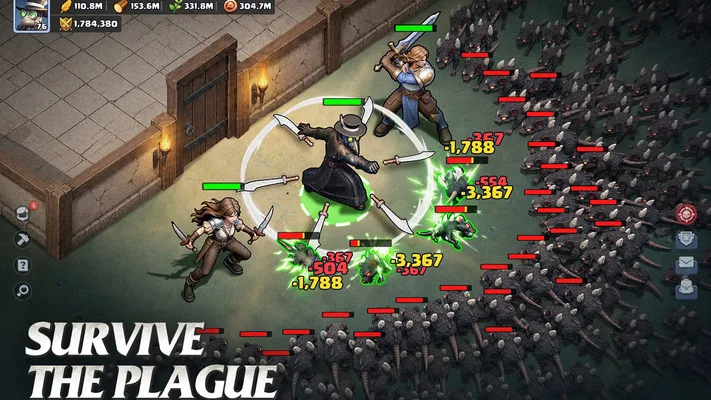
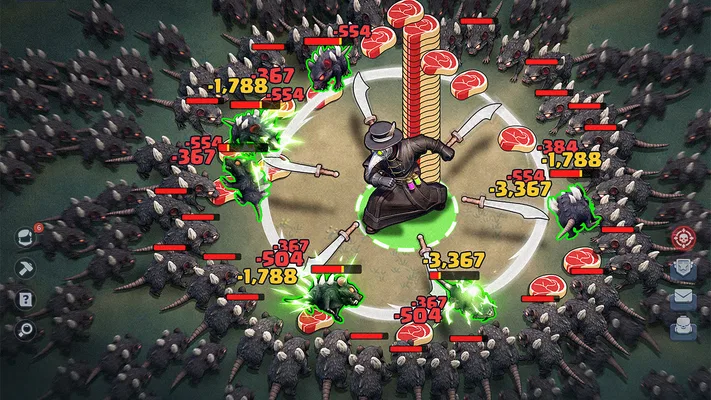
I’m drawn to strategy games that make every decision feel connected to a larger survival problem, and Last Asylum: Plague sets up that kind of tension from the start. Its premise puts a sanctuary, a doctor, and a desperate chance at recovery at the heart of the experience. That gives the game a more immediate human frame than a strategy title built only around territory or armies. My first impression is that it is best approached as a game about managing pressure, not simply collecting upgrades.
A survival strategy game with a personal focus
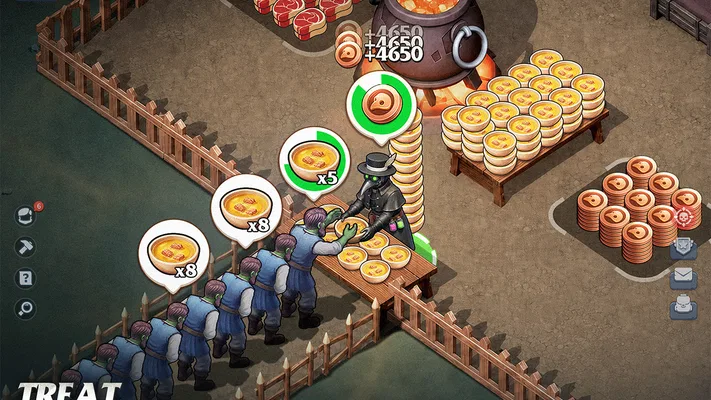
Developed by 37GAMES GLOBAL, Last Asylum: Plague is a free strategy game for players who like planning over time and weighing one need against another. The doctor and sanctuary premise gives its setting a clear emotional anchor: survival is not an abstract score, but a problem that people are trying to solve. I find that framing more engaging than a generic march toward expansion, especially if you enjoy games that make a settlement feel like something worth protecting.
The game is rated Teen, and its current version is 1.0.106. It has an average rating of 4.4 from roughly 373,000 ratings, with around 5.7 thousand written reviews and over 10 million installs. Those figures suggest a sizeable audience, but they do not tell me whether the game’s pacing or spending choices will suit a particular player. The more useful question is whether you enjoy returning to a strategy game and making small decisions that support a longer plan.
I would not go in expecting a self-contained strategy campaign that ends after a few focused sessions. The setup points toward an ongoing survival-management experience, where progress and pressure are likely to be part of the appeal. That style can be satisfying when I have time to check in, adjust priorities, and see the results later. It is less appealing when I want a complete story with a clear finish or a quick match that asks for no ongoing attention.
What the sanctuary premise changes
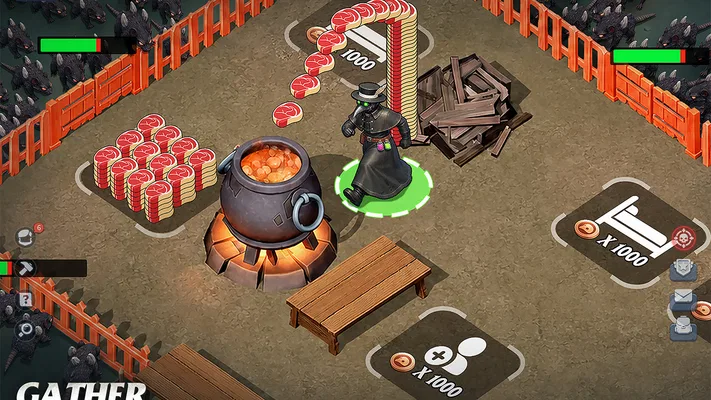
The strongest practical advantage of the premise is that it gives decisions a natural hierarchy. In a conventional strategy game, it can be easy to treat every building or upgrade as a number to improve. Here, I would keep asking what makes the sanctuary more capable of helping people and what can safely wait. That question is useful even before you know every system: it encourages deliberate play instead of spending resources just because an upgrade is available.
My advice for a new player is to read each objective as a clue about the game’s intended priorities, rather than as a task to rush through without context. When an objective points toward a particular improvement, consider whether it also supports your broader plan. This small habit helps avoid the common strategy-game trap of scattering resources across several attractive upgrades and then finding that none of them solves the immediate bottleneck.
Progress feels better when it has a purpose
The central trade-off in a survival strategy game is usually not simply “more is better.” It is deciding which short-term need deserves attention when several things compete for limited time or resources. The doctor-and-sanctuary framing makes that tension easy to understand, even if a player is new to the genre. I like games that can make a basic planning choice feel meaningful without requiring a spreadsheet, and this one has a premise suited to that style of play.
A practical way to approach progress is to pick one main objective for a session. If you are trying to strengthen the sanctuary, focus on the step that most directly supports that goal instead of starting several unrelated improvements. If you are playing in short breaks, note what you want to do next before closing the game. That makes it easier to resume with a decision already in mind, rather than spending your limited time browsing menus and reacting to whichever prompt appears first.
This approach also helps with the pressure side of the experience. Strategy games can make every delay feel like a mistake, but not every available task is equally urgent. I would distinguish between a barrier that blocks meaningful progress and an optional improvement that can wait. That is a useful discipline for any player who dislikes being pulled in several directions, and it reduces the temptation to spend impulsively just to clear a notification or finish a minor objective.
Good for regular sessions, less ideal for a quick finish
I can imagine Last Asylum fitting naturally into an everyday routine: checking in during a break, deciding which sanctuary need takes priority, and returning later to continue that plan. It is a better match for someone who enjoys a gradual sense of development than for someone who wants all the strategy contained in a single sitting. If you have only a few minutes, it helps to arrive with one clear task rather than trying to manage every part of the game at once.
That same routine can become a limitation. A game built around ongoing progress may feel like an obligation if you prefer to play only when you have a long stretch of free time. It may also frustrate players who want immediate tactical depth in every session. I would choose a compact turn-based strategy game instead if I wanted a match with a defined start and finish, or a more traditional real-time strategy game if the main attraction for me were direct battlefield decisions rather than maintaining a survival setting.
Spending, access, and what is clear
The game is free to download, with in-app purchase items listed from $0.99 to $99.99 each. That range is worth keeping in mind before you begin, particularly if you are careful about optional spending or share a device with someone younger. A free download does not mean every item or route through the game is free, so I recommend deciding on a personal spending limit before playing rather than making that choice in the middle of a frustrating bottleneck.
Those purchase facts do not establish what each item does, whether spending changes competitive outcomes, or how much progress can be made without paying. I would not treat the existence of high-priced items as proof that the game is unfair, but I also would not assume purchases are irrelevant. If fairness matters to you, play without buying first and pay attention to whether your decisions still feel worthwhile when progress is slower. That is a more reliable test than judging the purchase range alone.
The same caution applies to competition. I can’t responsibly claim that paying gives an advantage, or that all players compete on equal terms, without confirmed details about the game’s competitive systems. If you mainly want a fair contest where skill is clearly separated from spending, I would look for those rules in the game before investing heavily in a competitive routine. If you are primarily interested in developing a sanctuary at your own pace, competitive fairness may matter less to your enjoyment.
Who is likely to enjoy it
I would recommend giving it a try if you like strategy games that tie planning to a survival premise and you are comfortable with gradual progress. The doctor and sanctuary give the setting a specific focus, while the genre should appeal to people who enjoy prioritizing needs and thinking ahead. Its free entry point also makes it reasonable to sample the opening experience before deciding whether the ongoing rhythm works for you.
I would be more cautious if you dislike in-app purchases, feel pressured by time-sensitive goals in games, or prefer a complete experience without a long-term commitment. The listed purchase range makes it sensible to check spending controls before handing the game to a younger player, even though the Teen rating gives a broad indication of its intended audience. It is also not my first pick for someone seeking a purely narrative adventure: the survival-strategy premise suggests that management and progression are central to the appeal.
A grounded verdict before you commit
My overall view is cautiously positive. Last Asylum: Plague has a stronger hook than a purely abstract management game because its sanctuary and doctor give its survival problem a human center. I especially like the idea of approaching it with a clear priority each time I play; that turns short sessions into purposeful planning rather than a scattershot tour of tasks. The main trade-off is that this kind of ongoing strategy can demand patience, and the purchase range makes it important to set boundaries before frustration influences a decision.
If you want a free strategy game to explore at your own pace, the large player base and solid average rating make it a reasonable candidate to try. If you need confirmed assurances about competitive balance, purchase impact, or a fully finite campaign before starting, I would hold off until you can inspect those details in the game. I would install it for the sanctuary-focused premise and see whether its rhythm suits me, while keeping spending optional and my goals modest at first.
For me, the best way to judge it is not to chase every available improvement straight away. Choose one meaningful objective, see whether the game gives you satisfying ways to work toward it, and notice whether the pressure feels motivating or merely demanding. If that loop clicks, Last Asylum can make a good companion for regular strategy sessions. If you want quick, self-contained matches or a clear guarantee about the role of purchases, another kind of strategy game may be a better fit.